
“To photograph is to appropriate the thing photographed.”
— excerpt from On Photography by Susan Sontag
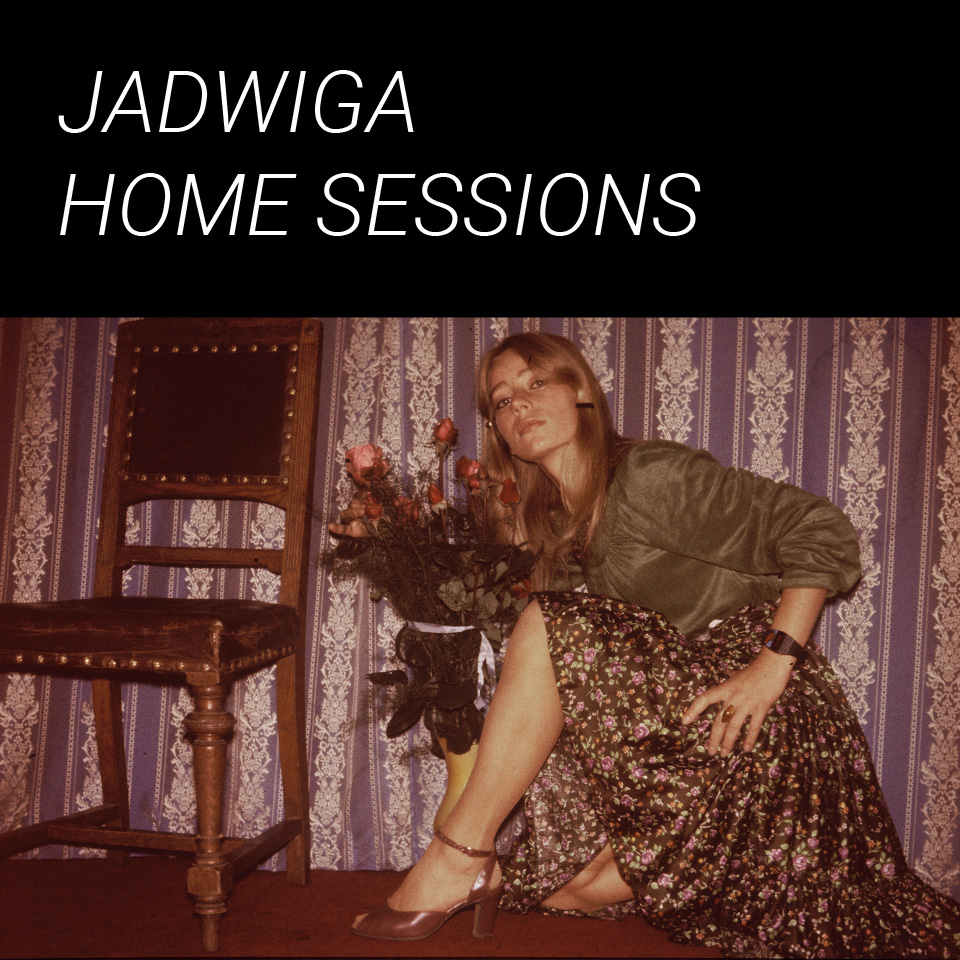
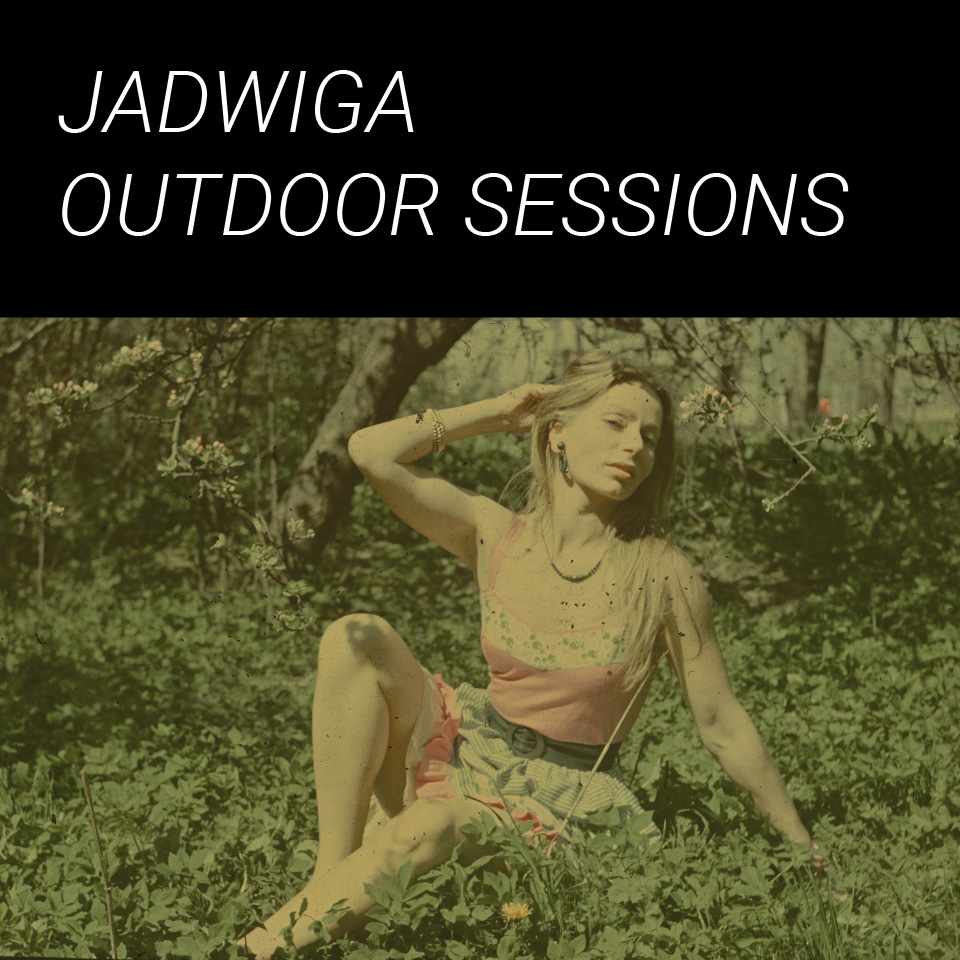
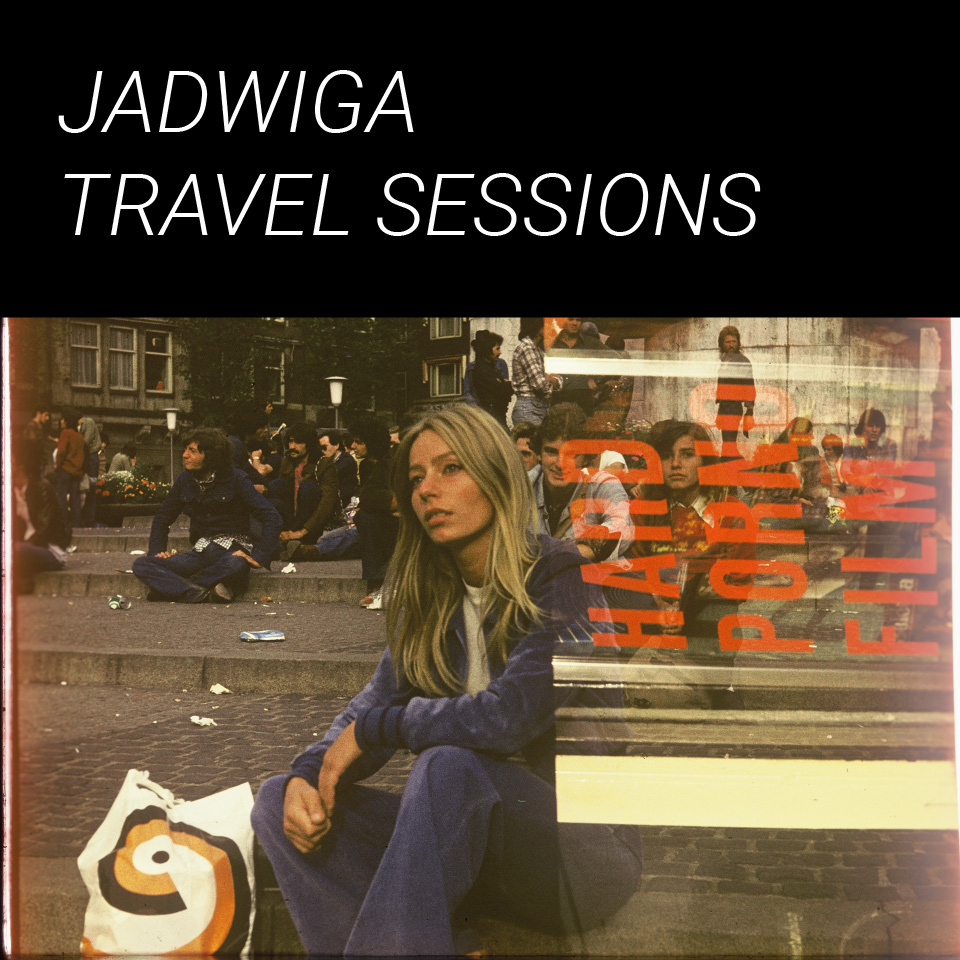
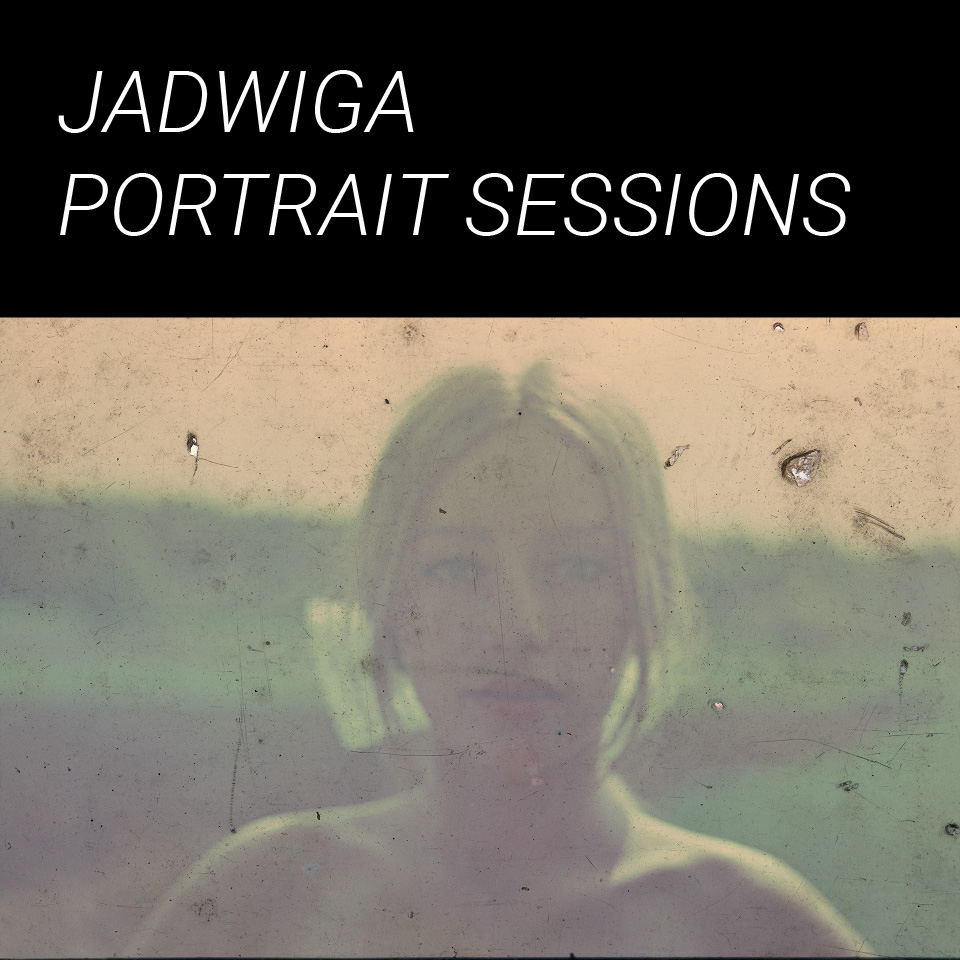
The curatorial selection “Jadwiga” extracts the most intense thread from the Wysokiński Family Archive. Although Andrzej Wysokiński documented family life, it was the figure of Jadwiga who became the central point of his work, created between the 1960s and 1990s. This decades-long obsession places the author within the circle of outsider art and non-professional photography. Andrzej Wysokiński, a fencing and skiing coach by profession, translated his sporting discipline into the private sphere as an amateur photographer, building an archive that transcends ordinary documentation of daily life. His technique surprises with its precision and compositional awareness.
Using stereotypical attributes—mini-skirts, a kitchen apron, or red leather boots—the couple jointly constructs their own story, free from conventions. Modern apartment interiors in Łódź or Radziechowy, decorated with posters of stars, become the backdrop for their private rituals. In the case of these photographs, the gesture of appropriation Sontag writes about was not entirely successful—and this is precisely what gives them their tension and the subject’s sense of autonomy. Andrzej Wysokiński composes the frame and initiates the situations, but Jadwiga does not remain a passive muse. Her presence is agentic.
The sessions bring to mind the work of the leading art brut artist Eugene von Bruenchenhein, who transformed his wife Marie into a “tropical princess” or a “Tinseltown vamp” in the privacy of their home. Much like Marie, Jadwiga transcends the role of a model; she enters into an active dialogue with the lens, infusing carefully arranged situations with erotic tension and intimacy. However, she refuses to be reduced to a passive object of desire. Her sensuality constantly clashes with the energy of her own passions—sports, travel, and a conscious play with fashion—which give the entire archive a tangible weight.
If, as Sontag continues, to take a photograph is to “participate in another person’s mortality, vulnerability, mutability,” then Andrzej Wysokiński does so with extraordinary tenderness. Instead of appropriating, he preserves a space in which Jadwiga could be whoever she wanted to be—remaining, all the while, elusive and sovereign.
Andrzej also used an analog film camera to record family life; his film archive is now held in the collections of the Polish Home Movie Archive at the Museum of Modern Art in Warsaw. The Wysokiński Archive—both photographic and filmic—allows the viewer to enter the intimate world of two people who, using available technologies, created a coherent and recognizable visual language.

Projekt "Jadwiga. Archiwum Rodziny Wysokińskich" został sfinansowany przez Unię Europejską NextGenerationEU.
